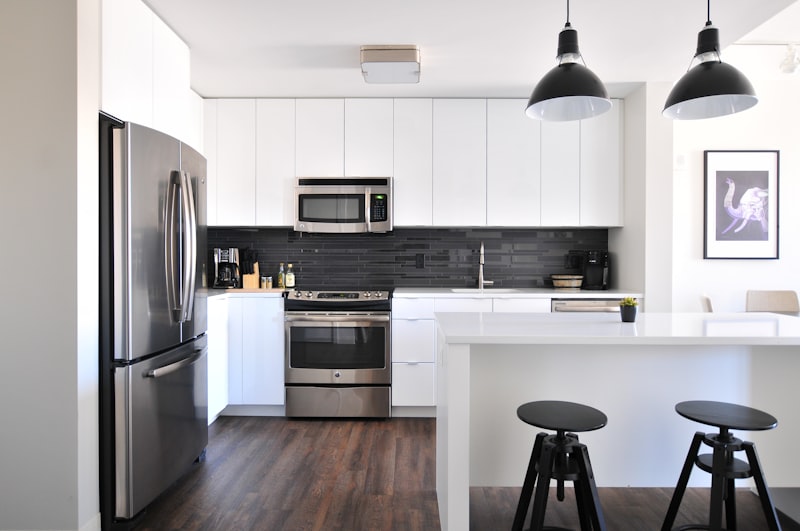

If you're thinking about downsizing, you're in good company. More and more homeowners are making the leap from spacious family homes to smaller, more manageable properties. Whether it's empty nesters ready for a fresh start, retirees looking to simplify, or anyone seeking lower maintenance and costs, downsizing is a smart move—but selling a large home comes with unique challenges. Let's walk through how to make the process smooth, fast, and stress-free.
Why Downsizing Takes Longer Than You'd Expect
Large homes present a different sales landscape than smaller properties. They typically require more time to show, appeal to a smaller buyer pool, and carry higher carrying costs while on the market. If you're trying to sell through traditional real estate channels, you might face months of waiting, multiple showings with little interest, or pressure to drop your price significantly.
The good news? You don't have to follow the traditional path. Understanding the real reasons your large home might sit on the market helps you make smarter decisions about how to sell it. Many homeowners in your situation are discovering that a direct sale to a cash buyer can close in days, not months, giving you the quick exit you're looking for.
Declutter and Stage Strategically
Before marketing your home—whether through traditional listing or to a cash buyer—decluttering makes a real difference. Large homes with too much furniture look cluttered and smaller. Start by removing furniture from at least one room to emphasize the square footage you're selling. Walk through each space and ask yourself: does this item highlight the room's purpose, or does it distract from the home's flow?
For staging on a budget, focus on these high-impact areas: the entryway, primary bedroom, kitchen, and main living spaces. Clear kitchen counters completely, make beds with neutral bedding, and remove at least 30% of decorative items from shelves and walls. Your large home's biggest selling point is space—let buyers see it by clearing clutter.
Pro tip: if you're selling to a cash buyer, extensive staging isn't required since they're buying for investment purposes. However, a clean, clutter-free home still shows better and may help you negotiate a stronger offer.
Price Strategically for Your Market
Overpricing large homes is one of the fastest ways to keep them on the market longer. Comparables matter tremendously, and large homes have fewer buyers competing for them anyway. Work with someone who understands your local market—whether that's a real estate agent or a professional cash buyer company.
Research recent sales of similarly sized homes in your area and be realistic about condition, lot size, and features. Many sellers of large homes think they can recoup every penny spent on additions and upgrades, but the market doesn't always support that. A well-priced home sells faster than an overpriced one, and in the downsizing journey, speed often matters more than squeezing out maximum dollars.
If you've already listed with an agent and aren't seeing traction, it might be time to adjust your strategy. That's where cash buyers come in—they make straightforward offers based on market value and current condition, with no contingencies or surprises.
Consider a Direct Sale to a Cash Buyer
Here's a game-changer for downsizers: selling directly to a cash buyer eliminates many traditional selling headaches. There's no waiting for buyer financing, no inspection surprises, no appraisal gaps, and no deals falling through. Cash buyers purchase homes as-is, meaning you don't need to make repairs or cosmetic improvements.
Cash sales typically close in 7-30 days, compared to the 30-60+ days of traditional sales. For someone ready to move forward with downsizing, this speed is invaluable. You can plan your next chapter with certainty instead of hoping a buyer contingency doesn't derail your timeline.
The trade-off? Cash offers are usually 5-15% below market value, reflecting the buyer's lack of financing contingencies and lower transaction costs. Do the math: if getting 85% of market value in 14 days lets you move into your new home immediately without staging, repairs, or showings, it might be worth it for your situation.
Plan Your Transition Timeline
One of the biggest mistakes downsizers make is selling their large home without a solid plan for what's next. You're about to lose a lot of space—where will items go? Have you secured your new home? Do you need temporary storage?
Create a realistic timeline that includes sorting through decades of accumulated items. Many downsizers underestimate how long this takes. Start 2-3 months before your target sale date by sorting room by room. Decide what's going to your new home, what you'll sell, donate, or discard. This process is emotionally taxing and time-consuming, so give yourself grace and time.
A quick cash sale works beautifully with this timeline because you control the closing date. You're not waiting passively for an offer—you can set a closing date that aligns with your packing, sorting, and moving plans.
Don't Overlook Hidden Costs
Large homes carry larger carrying costs. Property taxes, insurance, utilities, maintenance, and landscaping add up fast. Even a few months on the market can cost thousands—not to mention realtor commissions, which typically run 5-6% of the sale price.
When evaluating your selling options, factor in these costs. Selling quickly through a cash buyer saves you weeks or months of carrying costs and eliminates realtor commissions entirely. For many downsizers, these savings nearly offset the difference between a cash offer and a traditional sale price.
Take the Next Step
Downsizing is about more than selling a house—it's about simplifying your life and moving toward what matters most. Whether you choose the traditional route or explore a direct sale to a cash buyer, the key is choosing the path that aligns with your timeline and goals.
If speed, simplicity, and certainty appeal to you, it might be time to explore what a cash offer looks like for your home. Get your cash offer today and see how quickly you can move forward with your downsizing journey.